
Traditional swordsmithing is an art that has been practiced for centuries. Skilled craftsmen have passed down these techniques through generations, refining methods that transform raw steel into durable and visually impressive blades. One of the most respected materials used in this process is carbon steel. When combined with traditional forging techniques, carbon steel can produce strong and reliable swords that collectors and enthusiasts admire today.
The Importance of Carbon Steel in Sword Making
Carbon steel is widely used in sword production because of its balance between hardness and flexibility. The carbon content within the steel helps the blade maintain a strong structure while allowing it to hold a defined edge. This combination makes carbon steel an ideal material for traditional swordsmithing.
Different types of carbon steel may be used depending on the design and purpose of the blade. Swordsmiths carefully choose the steel type to ensure it performs well during the forging and heat treatment process.
Heating the Steel in the Forge
The process begins by heating the steel in a forge until it reaches extremely high temperatures. At this stage, the metal becomes flexible enough for shaping. Swordsmiths carefully monitor the temperature because proper heating ensures the steel remains strong throughout the forging process.
Maintaining the correct temperature is an important skill that experienced craftsmen develop through years of practice.
Hammering and Shaping the Blade
Once the steel is heated, the swordsmith begins shaping the blade using a hammer and anvil. Repeated hammering helps form the blade’s structure while refining the internal grain of the steel. This step strengthens the metal and allows the swordsmith to control the shape, thickness, and length of the blade.
Through careful shaping, the swordsmith creates the blade’s profile, edge geometry, and balance.
Heat Treatment and Tempering
After the blade has been shaped, it undergoes a heat treatment process. This step involves heating the blade again and cooling it in a controlled way. Heat treatment helps harden the blade so it can maintain strength over time.
Tempering is often performed afterward to reduce brittleness and improve flexibility. The goal is to create a balanced blade that is strong while still capable of handling stress without damage.
Polishing and Finishing
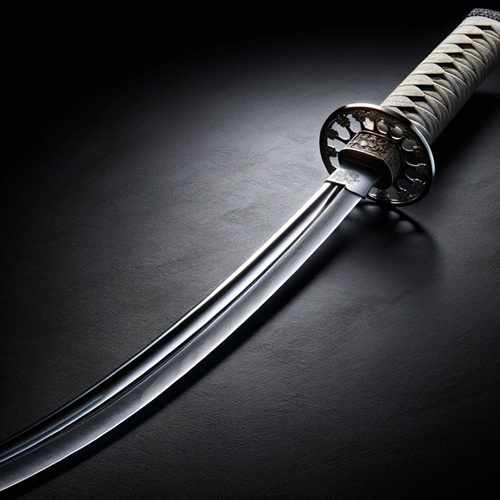
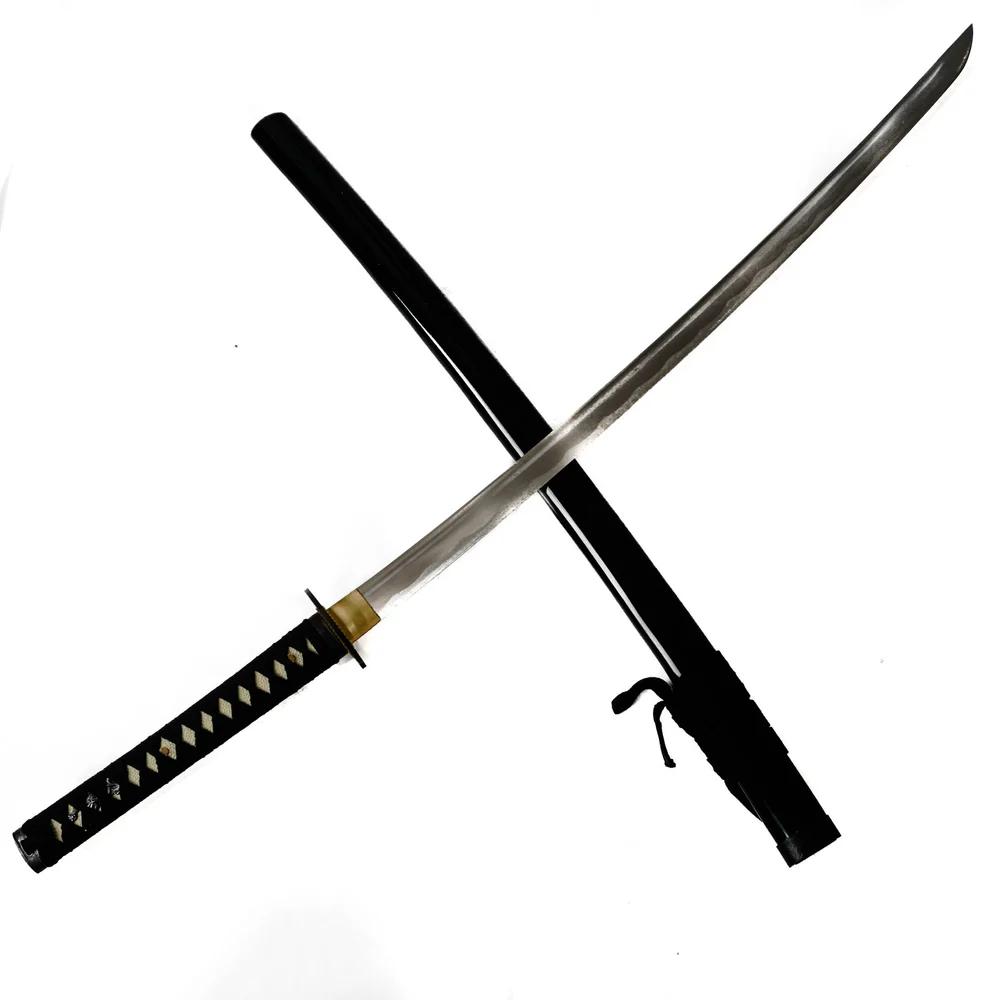
Once the blade has been forged and heat-treated, it is polished to create a smooth surface and refined appearance. Polishing highlights the craftsmanship of the sword and prepares it for the final assembly. The handle, guard, and pommel are then attached to complete the sword.
Attention to detail during finishing ensures the sword looks balanced and visually appealing.
Why Collectors Appreciate Traditional Swordsmithing
Collectors value swords made with traditional techniques because they represent centuries of metalworking knowledge. Hand-forged carbon steel blades often reflect the skill and dedication of the craftsman who created them.
Unlike mass-produced blades, traditionally forged swords carry a sense of authenticity and craftsmanship that many collectors admire.
Final Thoughts
Traditional swordsmith techniques play a crucial role in creating strong carbon steel blades. From careful steel selection and forging to heat treatment and finishing, each step contributes to the durability and beauty of the final sword. For collectors and enthusiasts, these methods highlight the artistry and heritage behind every handcrafted blade.





Write a comment ...