
Every sword tells a story—but the quality of that story depends on the craftsmanship behind it. A Battling Blades Sword reflects a blend of traditional techniques, carefully selected materials, and detailed finishing that together define its overall character. Looking closely at how these swords are made reveals why craftsmanship plays such a central role in their appeal.
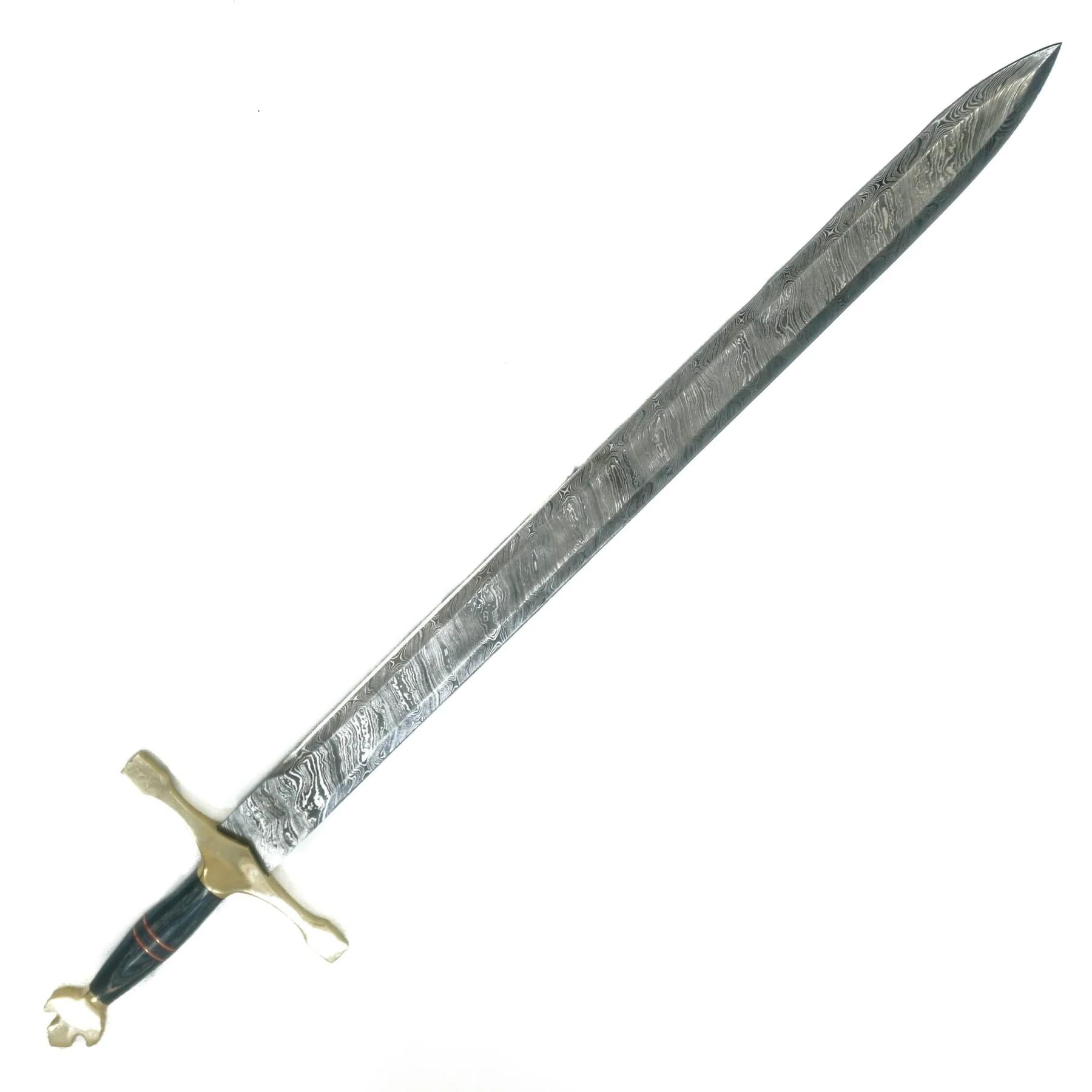
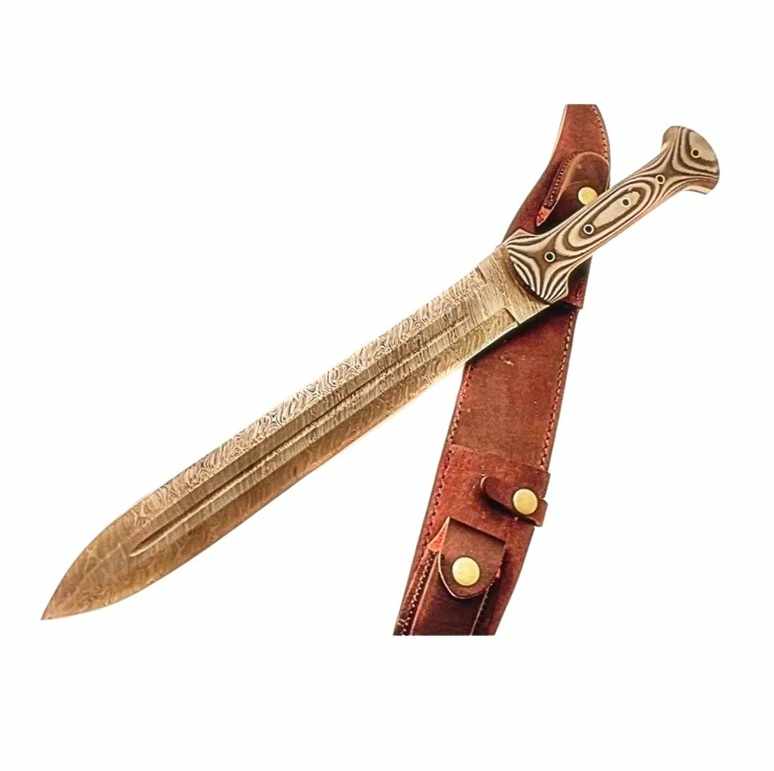
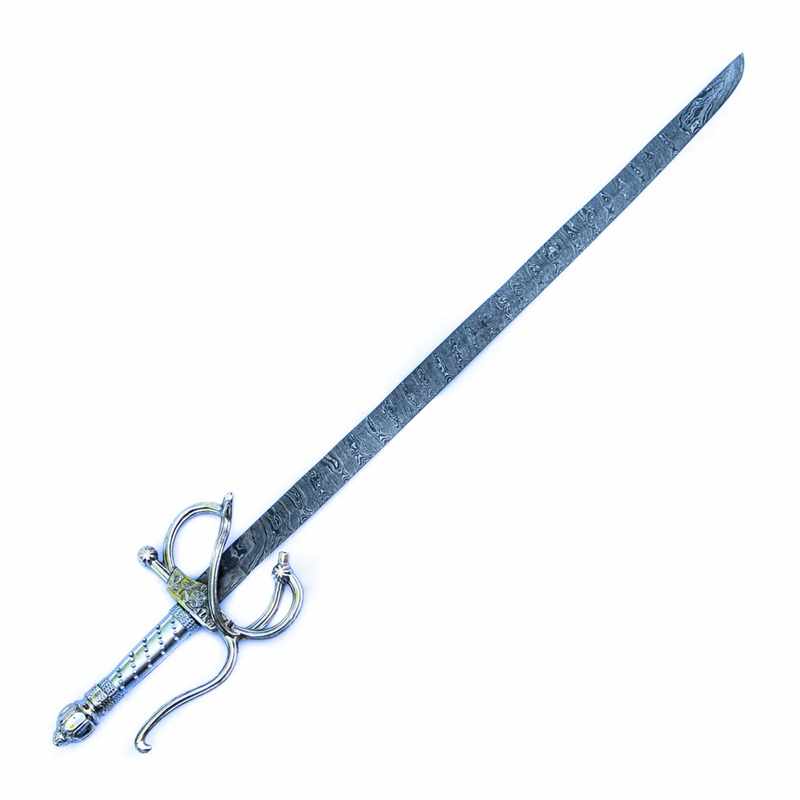
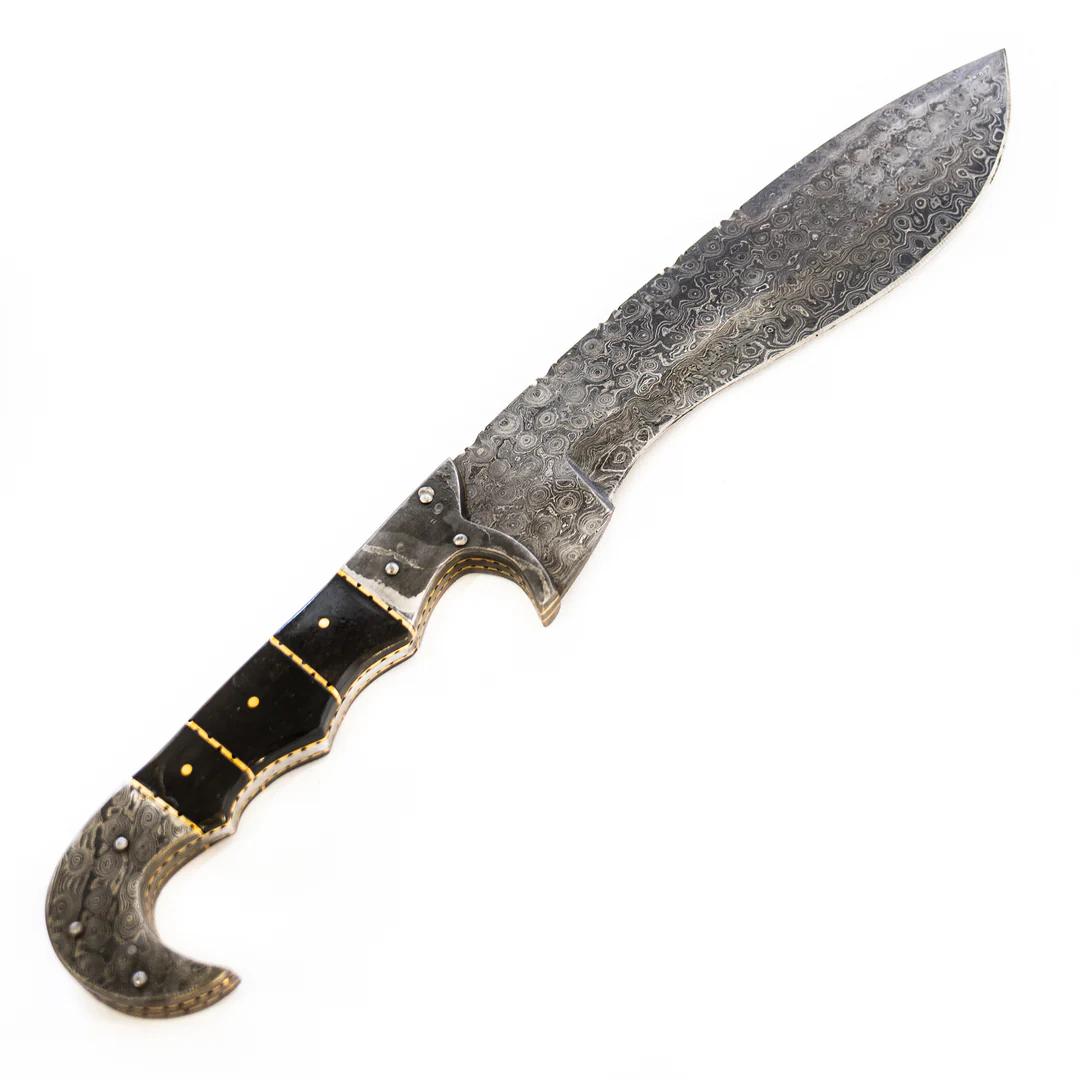
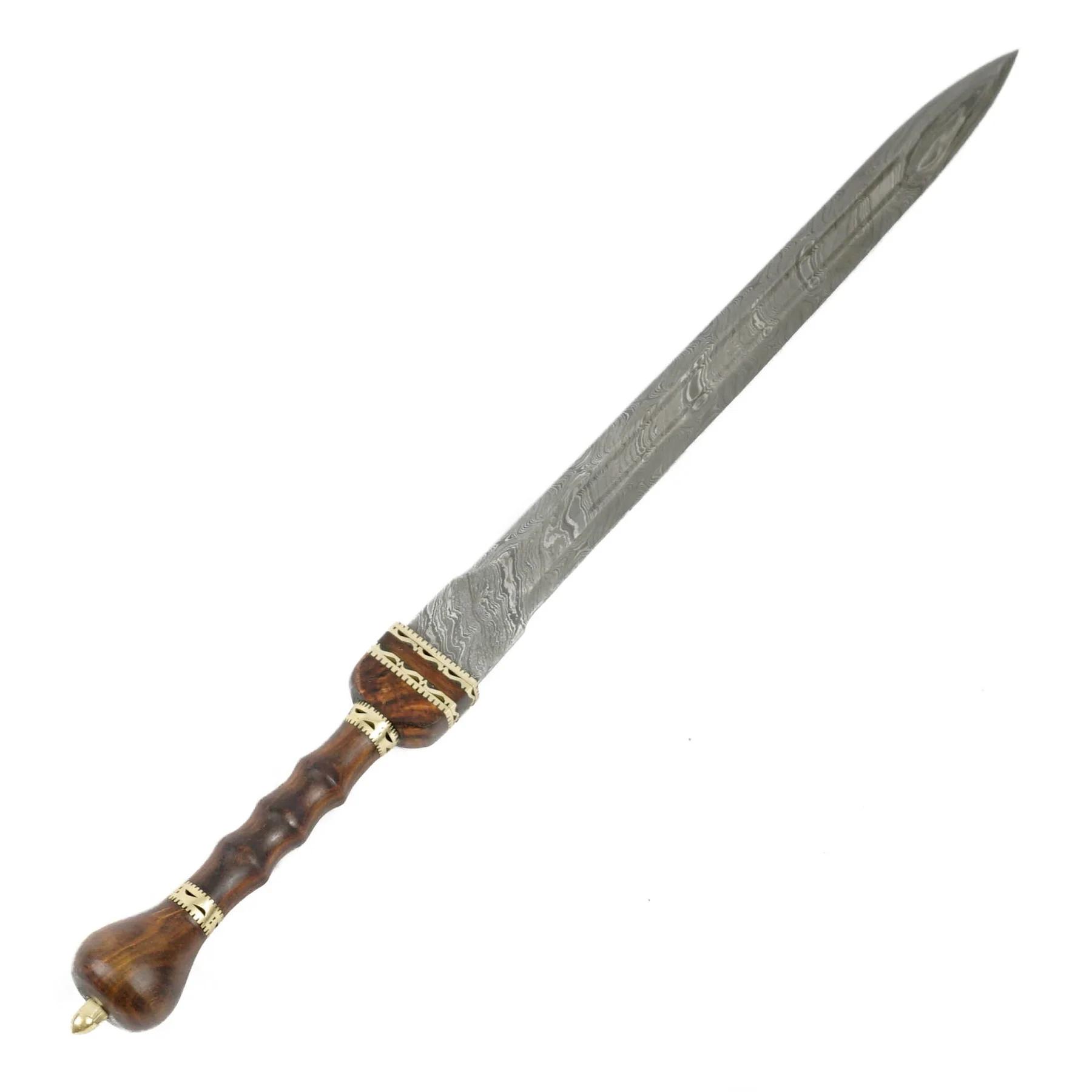
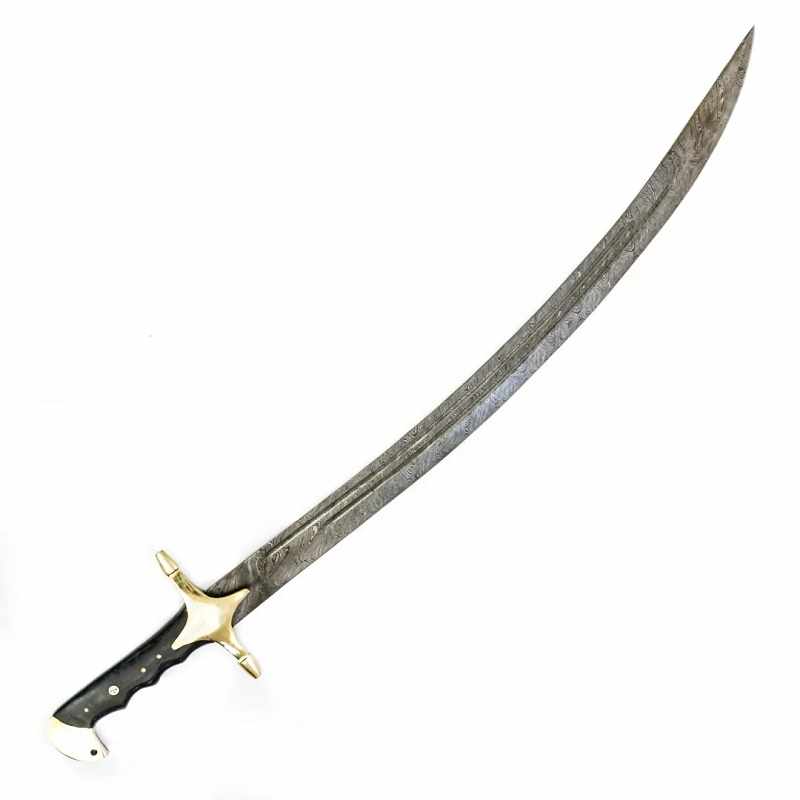
At the core of every piece is the choice of materials. Battling Blades uses a range of high-quality components, including high carbon steel, Damascus steel, wood, bone, and leather. These materials are not chosen randomly—they are selected to balance durability, strength, and visual appeal. For example, Damascus steel is created by folding layers of metal, producing both structural resilience and the signature flowing patterns collectors admire.
The forging process is where raw materials are transformed into a functional blade. Many Battling Blades products are handmade or partially hand-forged, meaning skilled craftsmen shape the steel through controlled heating and hammering. This method allows for better control over the blade’s structure compared to mass production. The result is a sword that offers improved balance, strength, and individuality.
One of the most important technical aspects is heat treatment and hardness control. Battling Blades swords often fall within a hardness range that balances sharpness with flexibility, helping the blade resist breaking under pressure while still holding an edge. This balance is critical for both durability and performance, especially in high carbon and Damascus steel blades.
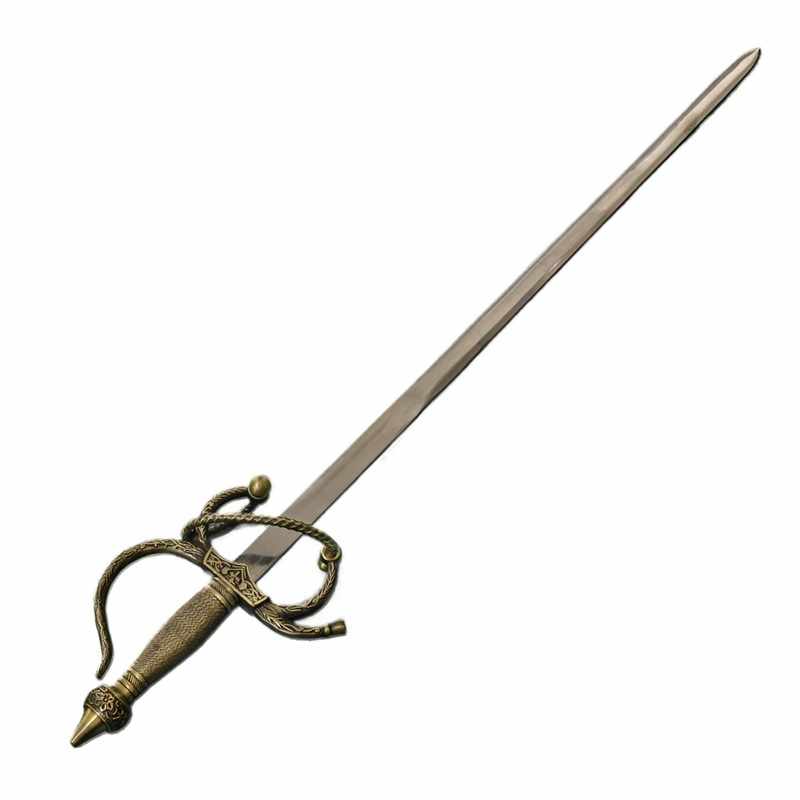
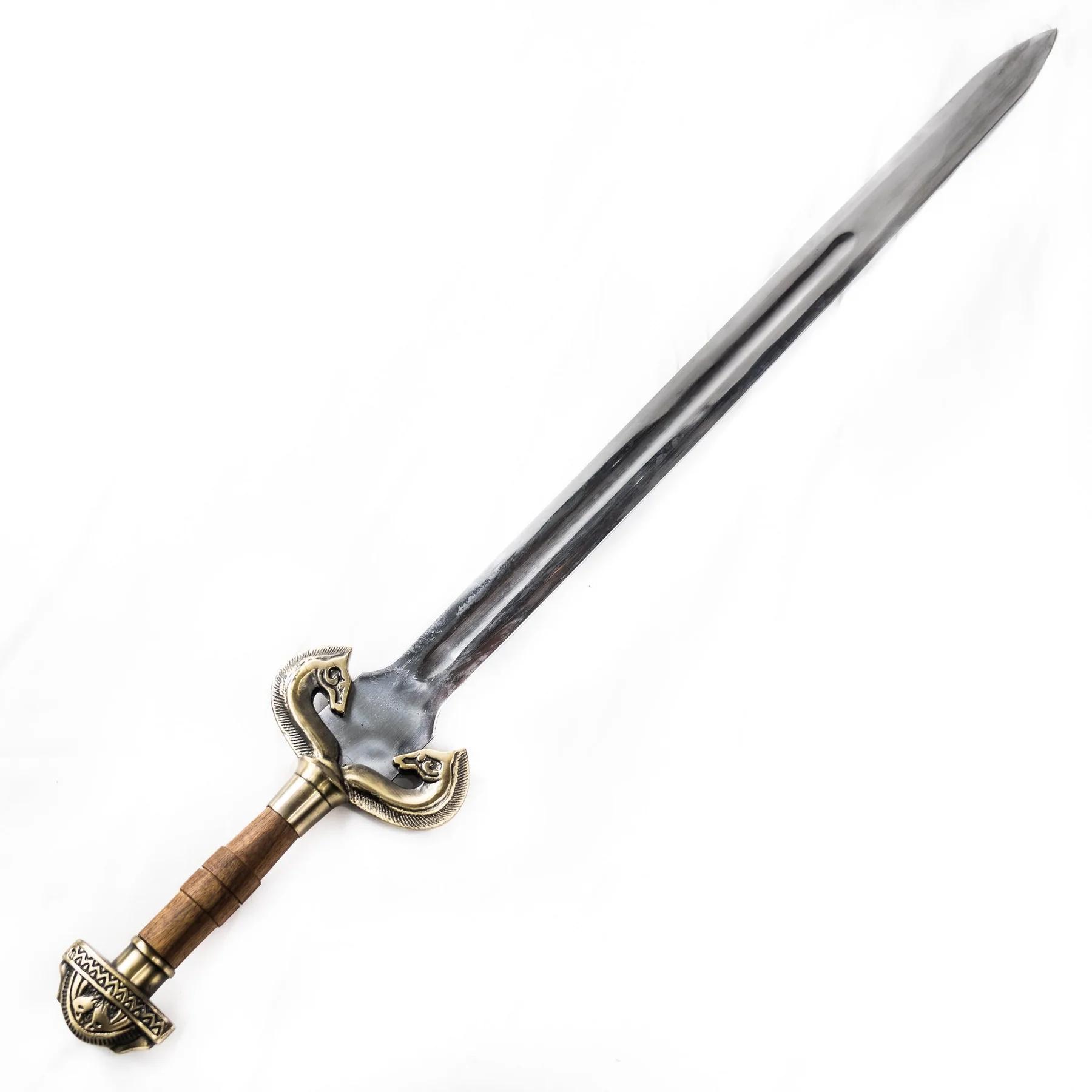
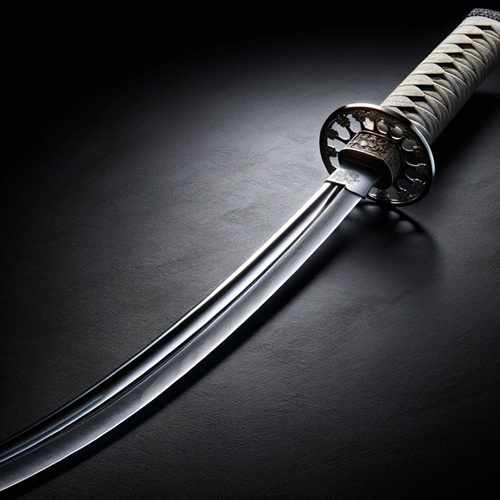
Attention to detail becomes even more visible in the design and finishing stages. Each sword is refined through grinding, polishing, and sharpening to achieve a clean, smooth surface. For Damascus blades, this stage reveals the intricate layered patterns that make every piece unique. Beyond the blade itself, components like the guard, pommel, and handle are carefully fitted to ensure both stability and visual harmony.
Craftsmanship also extends into customization and artistic detailing. Many Battling Blades pieces feature engravings, symbols, or personalized elements. These additions turn a sword into more than just a tool—they make it a personal or historical statement. Engravings can include names, crests, or artistic designs, adding depth and meaning to the final product.
Another layer of detail lies in the handle construction and grip design. Materials such as wood, leather, or bone are shaped to provide both comfort and durability. A well-crafted handle improves control and enhances the overall balance of the sword. Secure fittings between the blade and handle are essential, as they ensure long-term reliability and safety.
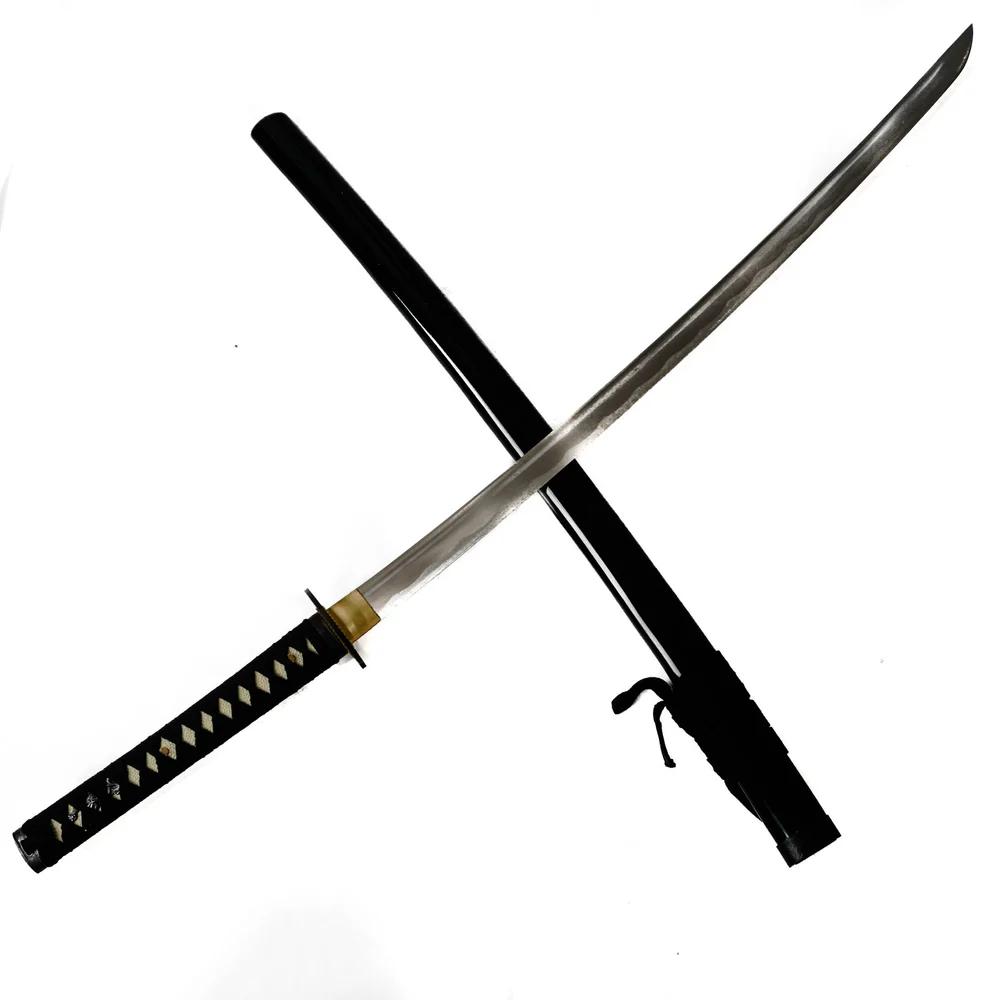
Beyond the sword itself, Battling Blades also focuses on presentation and accessories. Scabbards, stands, and display elements are designed to complement the blade, enhancing both protection and visual appeal. These details show that craftsmanship is not limited to the blade—it extends to the entire experience of owning and displaying the sword.
Customer experiences reflect a mix of perspectives. Some buyers highlight excellent finishing, sharpness, and strong build quality, noting that the swords exceed expectations in both appearance and performance. Others, however, point out inconsistencies in quality or delivery times, which suggests that while craftsmanship can be impressive, it may vary depending on the specific product or order.
Reddit users often echo this mixed experience—some praise the “attention to detail” and balance, while others mention issues with consistency or materials.
What stands out overall is the combination of traditional techniques and modern accessibility. Battling Blades brings handcrafted-style swords to a wider audience, offering designs that reflect historical inspiration while remaining available through online platforms.
In the end, exploring the craftsmanship behind a Battling Blades Sword reveals more than just how it is made—it shows why it matters. From layered steel and hand-forging to detailed finishes and personalized engravings, each element contributes to a blade that is both functional and artistic. For collectors and enthusiasts, these details are what transform a simple sword into something worth owning and appreciating.

Write a comment ...